Tuesday, June 24, 2014

How to Become a Monster by Jean Barbe


"The boss of the Arts Café, he sank slowly. Oh, he happened to have costumers sometimes! But three dishes of the day do not make the day. I imagine easily the financial abyss that meant, and more, the unspeakable anguish of losing everything because, basically, we know nothing of our contemporaries when we thought we know, when we thought even to know what was good for them. But they do not want that. And if they do not want it is that they do not want you."

How to Become a Monster tells the story of Viktor Rosh, a silent child that became a Chef in adulthood. Emancipating from his mother womb, Viktor finds himself at the end of his studies in full economic crisis. Knowing a supplier of hot dogs, he will start to import these products from abroad that he considers to be shit just to live by a small improvised rolling kitchen. It will cover the Capital, taking advantage of the poor by serving a meal he hates and is disgusted from. Yet he had a dream: to have his own coffee shop. One day before his eyes, will materialize his dream, but conquered by someone other than himself. He did not wish him to fail, but it will, because his contemporaries will not concern themselves with it.

In quest of adventures, one day he will leave the Capital to find work in region: he becomes the Chef of a sawmill. The economy is at its lowest and doesn't allow him to buy the food he would like to cook, he will travel the country to buy at lower prices from farmers in the area.

But one day, war comes over.

The sawmill is closed. He will remain there in pain, seeing all his ruined peasants, dependents to the mill, to his own purchases. He decides to engage in a secret army against the government that allowed all that misery to happen.

This book tells the descent into hell of a man with a valiant heart. The narrative oscillates between the lawyer without frontier committed to defend the accused, tracing his history, and the history of the accused, told by his mouth, at the end of the book, while the lawyer succeed in winning his confidence, by showing him his humanity.

Viktor will kill. He will kill men, women and children. In the midst of his ordeal, he will retire from among the livings in order to live as a hermit. He described the death of a bear that he will try to capture during many weeks, and from which he will discover the unbearable pain of death in its eyes.

What drives a man to kill?
What drives a man to kill a newborn baby?
What drives a man crazy? To withdraw from the world of the livings?
What pushes a society to nickname a man "the monster"?
What makes parents to dissociate themselves from their offspring?

"- What can we say of our child? All I know about him is what I wanted to see. What looks like me. What looks like his father. What does not look like us. I know what you want to know. You want to know his injuries. Why would people think that parents know their children's injuries? Our children, we try to make them laugh, not make them cry. We finally know what makes them happy. But their tears, they are avoided. I wanted to preserve him from grief, so that at the end, when Viktor was crying I did not know why. Sometimes I guessed. At the beginning. But the more time passes, the more the pain of our children we become strangers. I am seventy years, and when I cry, my husband is taken aback. He does not cry, he swallows his tears. I do not understand. Forty-three years of marriage. I can do nothing for him. He can not do nothing for me. Our tears belong to us."
"You never killed or had the opportunity to do so. You may not know, you do not want to know. Because if you killed, you would perhaps discovered power. And this idea is unbearable. As Puritans who take their shower fully clothed, you do not even want to think about killing because you're afraid to love it. Deep inside you, you know it exists, you know it's a possibility. You know you're a killer and that human life does not matter even if you don't want to think about it in that way. Otherwise, you would not leave children in Africa starving, you'll drop everything to go help them. But no. Here you are, and for what? To defend my son? To defend a monster? "
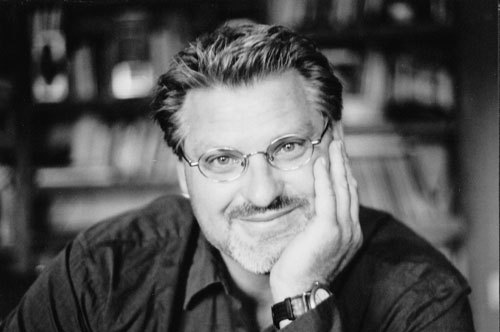


Jean Barbe, Quebec writer and journalist, was born in 1962 in Montreal. This book, How to Become a Monster, won a literary success for a while. And with good reason, this book took me to the heart. I spent whole nights flipping its pages, and three weeks to get over it. Barbe claims here awareness about war, human cruelty in many of its forms. He asks us almost "And you, did you become a monster in spite of all? ".

"Who could decide what is a decent level of horror? Where civilization ends and where barbarism begins when the second claims to be the first? Laws winner still apply retroactively. "

Comment devenir un monstre par Jean Barbe


« Le patron du Arts Café, lui, s’affaissait lentement. Oh, il lui arrivait d’avoir du monde! Mais trois plats du jour ne font pas la journée. J’imaginais sans peine le gouffre financier que cela représentait et, mieux, l’indicible angoisse de tout perdre parce que, au fond, on ne sait rien de nos contemporains alors qu’on croyait les connaître, alors qu’on croyait même savoir ce qui était bon pour eux. Mais ils n’en veulent pas. Et s’ils n’en veulent pas, c’est qu’ils ne veulent pas de vous. »

Comment devenir un monstre relate l’histoire de Viktor Rosh, un enfant silencieux devenu Chef cuisinier à l’âge adulte. S’émancipant de sa mère, Viktor se retrouve à la fin de ses études en plein crise économique. Connaissant un fournisseur de saucisses à hot-dog, il commencera à importer de l’étranger ces produits qu’il considère comme de la merde afin de vivre de sa petite cuisinette roulante improvisée. Il parcourra la Capitale, abusant des pauvres en leur servant un repas qu’il déteste et qui le dégoûte. Il avait pourtant un rêve : avoir son propre café. Un jour, devant ses yeux, se matérialisera son rêve, mais conquit par un autre que lui. Il ne souhaitera pas l’échec de se rêve, mais celui-ci s’échouera, parce que ses contemporains n’en auront rien à faire.

En quête d’aventures, il partira un jour de la Capitale afin de trouver du travail en région : il deviendra le Chef cuisinier d’une scierie. L’économie étant à son plus bas et ne lui permettant pas d’acheter la nourriture avec laquelle il voudrait cuisiner, il se mettra à parcourir le pays afin d’acheter à moindre prix aux fermiers et agriculteurs des alentours.

Mais un jour, arrive la guerre.

La scierie fermera. Il restera là en peine, à voir tous ses paysans en ruine, dépendants de la scierie, de ses propres achats. Il décidera de s’engager dans une armée secrète, contre ce gouvernement qui les laisse tous en plans, sans recours.

Ce livre raconte la descente aux enfers d’un homme au cœur vaillant. La narration oscille entre celle de l’avocat sans frontière engagé pour défendre l’accusé, retraçant l’histoire de celui-ci, et l’histoire de l’accusé, raconté par sa bouche, à la toute fin du livre, alors que l’avocat réussira à gagner sa confiance, à lui démontrer son humanité.

Viktor tuera. Il tuera des hommes, des femmes et un enfant. Au milieu de son calvaire, il se retirera d’entre les vivants afin de vivre comme un ermite. Il décrira la mort d’un ours qu’il mettra des semaines à capturer et en qui il découvrira, verra dans ses yeux la souffrance insupportable, la douleur de mourir.

Qu’est-ce qui pousse un homme à tuer?
Qu’est-ce qui pousse un homme à tuer un bébé naissant?
Qu’est-ce qui pousse un homme à devenir fou? À se retirer du monde des vivants?
Qu’est-ce qui pousse une société à surnommer un homme « le monstre »?
Qu’est-ce qui poussent des parents à se dissocier de leur progéniture?  

« - Qu’est-ce qu’on peut dire de son enfant? Tout ce que je sais de lui, c’est ce que j’ai voulu en voir. Ce qui me ressemble. Ce qui ressemble à son père. Ce qui ne nous ressemble pas. Je sais ce que vous voulez savoir. Vous voulez savoir ses blessures. Pourquoi les gens s’imaginent-ils que les parents connaissent les blessures de leurs enfants? Nos enfants, on tente de les faire rire, pas de les faire pleurer. On finit par savoir ce qui leur fait plaisir. Mais leurs larmes, on les évite. Je voulais le préserver du chagrin, si bien qu’à la fin, quand Viktor pleurait je ne savais pas trop pourquoi. Parfois, on devine. Au début. Mais plus le temps passe, et plus le chagrin de nos enfants nous devient étranger. J’ai soixante-dix ans, et quand je pleure, mon mari est décontenancé. Lui il ne pleure pas, il ravale ses larmes. Je ne comprends pas. Quarante-trois ans de mariage. Je ne peux rien faire pour lui. Il ne peut rien faire pour moi. Nos larmes nous appartiennent. »

« Vous n’avez jamais tué ou eu l’occasion de le faire. Vous ne pouvez pas savoir, vous ne voulez pas savoir. Parce que si vous aviez tué, vous auriez peut-être découvert le pouvoir. Et cette idée vous est insupportable. Comme des puritains qui prennent leur douche tout habillés, vous ne voulez même pas penser à tuer parce que vous avez peur d’aimer ça. Au fond de vous, vous savez que ça existe, vous savez que c’est une possibilité. Vous savez que vous êtes un tueur et que la vie humaine n’a pas l’importance que vous voulez lui accorder. Sinon, vous ne laisseriez pas mourir de faim les enfants d’Afrique, vous laisseriez tout tomber pour aller les aider. Mais non. Vous êtes ici, et pour quoi? Pour défendre mon fils? Défendre un monstre? »


Jean Barbe, écrivain et journaliste québécois, est né en 1962 à Montréal. Ce livre, Comment devenir un monstre, lui a fait remporter un succès littéraire pendant un temps. Et avec raison, ce livre m’a prise au cœur. J’ai passé des nuits entières à le feuilleter, trois semaines à m’en remettre. Barbe réclame ici une prise de conscience sur la guerre, la barbarie humaine sous plusieurs de ses formes. Il nous demande presque « Et vous, êtes-vous devenu un monstre malgré vous? ».


« Qui pouvait décemment établir une échelle de l’horreur?  Où s’achève la civilisation et où commence la barbarie quand la seconde se réclame de la première? Les lois du vainqueur s’appliquent toujours rétroactivement. »

Sunday, June 15, 2014

"You no longer want to eat meat? What's your problem?"

At first, I did not want to write a post about that, but the subject is so interesting that I completely forgot my blog for a few weeks (okay, I have to confess that I also was hangover from the last novel I read, and you'll know why in my next post!).

So why do you become a vegetarian? (The proper translation at the request of my brother last night: "You no longer want to eat meat? What's your problem?")

The answer is not that simple, bro. I could summarize by saying that this is a "lifestyle choice", but this time it has nothing to do with any indoctrination. In fact, it is when doing research on GMOs that I stumbled upon La face cachée de la viande, a Quebec documentary. After it, I couldn't get out of the matter: I had to know.

My concerns are mostly on the "altruistic" way of seeing things. They concern the problems of the Third World, treatment of animals, environmental issues, etc..) And concerns about health come only in the background, a kind of bonus.

But first, I'll start with the bonus, because I know that this is what comes to each mind at first glance. We'll demystify the kind of bad preconception that we all have about a good alimentation: the one that to stop eating meat is bad for health.

Albert Einstein: "Nothing can be as beneficial to human health and increase chances for survival of life on earth than opting for a vegetarian diet."
Darwin: "Few men could stand for five minutes watching an animal struggling with a member crushed or shredded."
Marguerite Yourcenar: "Animals are my friends and I do not eat my friends."
Victor Hugo:
"What right do you put birds in cages? What right do you remove these singers the groves? Sources, at dawn, in the cloud, the winds? By what right do you remove life to live? "

The list of diseases a vegetarian diet is preventing is long: obesity, diabetes, cardiovascular problems, cancer, osteoporosis, etc.. No food of plant origin contains cholesterol. Recent studies even decreed that fat vegetable origins, unlike animal fats, does not promote the development of Parkinson's disease or dementia. It was also determined that vegetarians live an average of five years longer than the general population of the same country. By cons, it is said, but normally vegetarians do not smoke and are quite active. So the researchers do not know if all these benefits of vegetarian diet are mainly due to it or to the whole of their lifestyle. On the other hand, there is evidences that a high intake of animal protein is dangerous because of heterocyclic acids (and I'm not talking about what can be found in your meat without your knowledge). Source.

Here, it is said, vegetarianism is good for your health! Even "the presence or absence of meat in the diet seems insignificant to the level of benefits in sports." There's no need to fear anything. Vegetarians that you love will not die. Just for fun, type "vegetarian athletes" on Google and I'm sure what you will find will surprise you.

I can still hear my colleagues: "What! You want to become a vegetarian? And wild meat? Have you ever tasted horse?". No, actually, I've never tasted horse. Yes, wild meat is excellent. My problem is not on the side of taste, but rather on the ethical side. And now comes the killer question: Would you eat your dog?

That's a good question, right? It did not have relevancy? Well, if you believe it... An horse is so similar to a doge if you look at the preferred connection he has with his master, that for me, it was always clear that I will not eat it. And then, I think of Africa: as the two pigs fattened for my host family, my roommate had nightmares fearing that they will give them to us in our next meal. Yet she eats pork nowadays, under many varieties: why deprive after all? She has not seen these pigs grow!

Personally, I think that's the main problem: we are disconnected from what's on your plate. So much disconnected that some of us have no idea of ​​the path taken by the hen to land there. We actually have an idea, but is it the truth?


And it is a standard! It is not an exception!

On one panel, the genius of man, science shows that animals suffer physically and that they can have different emotions. Ethology shows that they can have a highly developed social and psychological life, some species more than those of men. On the other panel, the money-hungry men, who always want more, invented the food industry, and insert in it the mass slaughter. Every year, billions of animals die in fear or suffering. I do not dramatize. Watch stories like named above.


Yesterday, a global march with the slogan "Shut Slaughterhouses" took place. These people are not crazy. Learn before you say that without meat, nobody can live, we would all be sick (which is totally false!), these people are extremists (God that we need them to understand some things!) and that it will never happen (Negativity have never actually did something amazing).

And even if we succeed in inventing a method of killing that would prevent animals from suffering, take the life of an animal, for selfish pleasure when you do not need to survive, is it a fair act ?


Even if some people will respond to me that they have nothing to do with it, it remains that being vegetarian helps to peacefully stop the institutionalized violence that treats animals as objects. And wild meat will one day become either domesticated institutionalized, abused, as soon as men will want to mass produce.


In addition to the ethical question to animals, there is the one of the environment. We are asked to use our car less, but did you know that the beef industry generates more greenhouse gas emissions than the transport sector (on a global scale)? The production of one kilogram of meat requires 10 to 15 times more water than a kilo of vegetable? 15 000 liters/kg of meat against 1000 to 1 500 liters/kg for the plant. In addition, calculate 15 pounds of vegetable protein for 1 pound of meat. These numbers are huge! That means that the more we consume meat, the more we deplete our natural resources and endanger the biodiversity of the land to the beef industry. Forests are cleared in order to corn (among others) to feed the cattle industry. Which further leads to other problems ... but I suggest you to do your own research, or I never finish this post.

Change of subject, and there, but really there vegetarianism seduced me right away: it is said that vegetarianism practiced by a majority of individuals could be the solution to world hunger. Okay, it sounds a bit extreme, but think about it two seconds: "Knowing that the animals were fed with plant breeding, there is a mathematical relationship for each animal between the amount of food (energy) that provided the animal form of meat and amount of food (energy) would have provided the plants used his power throughout its breeding cycle. A good average seems to be a ratio of 1 to 10: The plant was used to produce a normal portion of meat could be used directly to provide 10 equivalent portions of plants! In other words, a vegetarian diet widespread on the planet could feed 10 times more people than the meat diet appropriate in all developed countries! Suffice to say that hunger in the world would simply eradicated, especially as many hungry countries produce and export their grain to feed the farm animals for the rich countries. A distressing truth that few people are willing to accept. "

Personally, I decided to reduce my intake of meat... I would eventually become vegan (no meat, no fish, no chicken nor egg or milk or derivatives), but it will be a long process. I do not want to endorse, vote with my wallet, for industry, for the rich of this world who want to do nothing about the millions of people dying of hunger and thirst.

So that's for my brother, my colleagues, for all those questions about my new fad to no longer want to eat meat: I'm weird and eccentric, but in love with life and I sometimes lose my head compared to "ordinary mortals". This is not to annoy you, far from it. I only have one big trip this summer to make a "homecoming" and it passed by the diet. Long ago, every bit of food was important, was known long before it is eaten. Today, we are told on the packaging "seasoned chicken breasts" and should read "hen who has the beak cut, the legs broken, fattened in the fewest days, shoot with antibiotics to prevent disease due to overcrowding, electrocuted (because it is faster), boned and shoot with water and salt"(and we wonder what it has been fed!). It also tells us "Drinking milk helps build bones," but it's not quite right, isn't it? As you figure out what it means. Or not.

« C’est quoi ton problème de ne plus vouloir manger de viande!? »

A priori, je ne pensais pas écrire un billet là-dessus, mais le sujet est finalement tellement intéressant que j'en ai complètement oublié mon blog pour quelques semaines (okay, j'avoue: j'étais hangover du dernier roman que j'ai lu surtout et vous saurez pourquoi dans mon prochain billet!). 

Alors, pourquoi devient-on végétarien ? (La traduction appropriée à la demande de mon frère hier soir: « C’est quoi ton problème de ne plus vouloir manger de viande!? »)

La réponse n’est pas si simple que ça, frérot. Je pourrais résumer en disant que je fais un « choix de vie », mais qui cette fois-ci n’a aucun rapport avec un endoctrinement  quelconque. En fait, c’est en faisant des recherches sur les OGMs que je suis tombée par hasard sur « La face cachéede la viande », un documentaire québécois. Après, impossible de m’en sortir : il fallait que je sache.

Mes préoccupations sur le sujet sont majoritairement de l’ordre « altruiste ». Elles concernent les problèmes du Tiers-Monde, les traitements des animaux, les problèmes environnementaux, etc.) et les préoccupations de l’ordre de la santé ne viennent qu’en second plan, un bonus quoi.

Premièrement, commençons par le bonus, parce que je sais que c’est ce qui vient aux premiers abords à l’esprit de chacun. Démystifions l’espèce de préconception de l’alimentation qu’on se fait tous : arrêter de manger de la viande est mauvais pour la santé.

Albert Einstein : “Rien ne peut être aussi bénéfique à la santé humaine et augmenter les chances de survie de la vie sur terre que d’opter pour une diète végétarienne.”
Darwin : “Peu d’hommes pourraient supporter pendant cinq minutes l’observation d’un animal se débattant, avec un membre écrasé ou déchiqueté.”
Marguerite Yourcenar : “Les animaux sont mes amis et je ne mange pas mes amis.”
Victor Hugo :
“De quel droit mettez-vous des oiseaux dans des cages ? 
De quel droit ôtez-vous ces chanteurs aux bocages ? 
Aux sources, à l’aurore, à la nuée, aux vents ?
De quel droit ôtez-vous la vie aux vivants ?”

La liste des maladies prévenues par une alimentation végétarienne est longue : obésité, diabète, problèmes cardio-vasculaires, cancers, ostéoporose, etc. Aucun aliment d’origine végétale ne contient du cholestérol. De récentes études décrètent même que les graisses d’origines végétales, contrairement aux graisses d’origine animale, ne favoriseraient pas le développement de la maladie de Parkinson ou de la démence. Il a aussi été déterminé que les végétariens vivaient en moyenne cinq ans de plus que la population générale du même pays. Par contre, on dit ça, mais normalement, les végétariens ne fument pas et sont plutôt actifs. Donc, les chercheurs ne savent pas si tous ces bénéfices de l’alimentation végétarienne sont dus principalement à celle-ci où à l’ensemble de leurs habitudes de vie. D’un autre côté, il est prouvé qu’un apport élevé en protéines animales est dangereux à cause des acides hétérocycliques (et ne parlons pas de tout ce qui se retrouve dans votre viande à votre insu). Source

Voilà, c’est dit : le végétarisme est bon pour la santé! Même « la présence ou non de viande dans l’alimentation semble insignifiante pour le niveau de prestations des sportifs ». Y’a pas de crainte à avoir. Les végétariens que vous aimez tant ne mourront pas. Même que, tapez « sportifs végétariens » sur Google et j’ai la curieuse impression que vous aurez des surprises.
J’entends encore mes collègues de travail : « Quoi?! Tu veux devenir végétarienne!? Et la viande sauvage, elle? As-tu déjà goûté à du cheval!? ». Non, effectivement, je n’ai jamais goûté à du cheval. Oui, la viande sauvage est excellente. Mon problème n’est pas du côté du goût, mais plutôt du côté éthique. Et voilà la question qui tue : Mangeriez-vous votre chien?

C’est une bonne question, non? Ça n’a pas rapport? Pas tant que ça. Le cheval se rapproche tellement du chien par rapport au lien privilégier qu’il entretient avec son maître, que pour moi, il a toujours été clair que je n’en mangerais pas. Et puis, je repense en Afrique aux deux porcs que ma famille d’accueil engraissait et aux cauchemars que ma colocataire faisait la nuit ayant crainte qu’ils nous les donnent à manger le lendemain. Pourtant, celle-ci mange aujourd’hui du porc, sous plein de variétés : pourquoi se priver après tout? Elle ne les a pas vus grandir ces porcs-là!

Personnellement, je crois qu’il est là le problème : nous sommes déconnectés de ce qui se retrouve dans notre assiette. Tellement déconnectés, que certains d’entre nous n’ont aucune idée du chemin qu’a pris la poule pour atterrir là. On s’en fait une idée, mais est-ce la bonne?


Et c’est une norme! Pas une exception!

D’un côté, le génie de l’homme, la science démontre que les animaux souffrent physiquement et qu’ils peuvent avoir différentes émotions. L’éthologie démontre qu’ils peuvent avoir une vie sociale et psychologique très développées, certaines espèces dépassant celles de l’homme. De l’autre côté, l’homme assoiffé d’argent, qui en veut toujours plus, a inventé l’industrie agro-alimentaire, et y insérer l’abattage de masse. Chaque année, des milliards d’animaux meurent dans la peur ou la souffrance. Je ne dramatise pas. Regardez des reportages comme celui nommé plus haut.


Hier, une marche mondiale avec pour slogan « Fermons les abattoirs » a eu lieu. Ces gens ne sont pas fous. Informez-vous donc avant de vous dire que sans viande, personne ne vivrait, que nous serions tous malades (ce qui est tout à fait faux!), que ces gens sont des extrémistes (Dieu qu’il nous en faut pour qu’on comprenne quelque chose parfois!), et que ça n’arrivera jamais (Le négativisme n’a jamais mené loin effectivement).

Et quand bien même on réussirait à inventer une méthode pour tuer qui empêcherait les animaux de souffrir, prendre la vie d’un animal, à des fins égoïstes alors que vous n’en avez pas besoin pour survivre, est-ce un acte… juste?


Bon certaines personnes me répondront qu’on en a rien à cirer, mais ça reste qu’en étant végétarien, on contribue pacifiquement à l’arrêt de la violence institutionnalisés qui traitent les animaux comme des objets. Et la viande sauvage deviendra un jour ou l’autre domestiquée, institutionnalisée, violentée, aussitôt que les hommes voudront la produire en masse.


En plus de la question éthique envers les animaux, il y a celle envers l’environnement. On nous demande de moins utiliser notre voiture, mais saviez-vous que l’industrie bovine génère d’avantage de gaz à effet de serre que le secteur des transports (et ce sur une échelle mondiale)?! La production d’un kilo de viande requiert 10 à 15 fois plus d’eau que celle d’un kilo de végétal? 15 000 litres/kg pour la viande contre 1 000 à 1 500 litres/kg pour le végétal. En addition, il faut calculer 15 kilos de protéines végétales pour 1 kilo de viande. Ces chiffres sont énormes! Ça veut dire que plus nous allons consommer de viandes, plus nous allons épuiser nos ressources naturelles et mettre en péril la biodiversité de la terre au profit de l’industrie bovine. On rase des forêts afin de faire la culture du maïs (entre autres), afin de nourrir l’industrie bovine. Ce qui entraîne encore d’autres problèmes… mais je vous inviterais à faire vos propres recherches, sinon je ne terminerai jamais ce billet.

Changement de sujet, et là, mais là, le végétarisme m’a séduite sur le champ : on dit que le végétarisme pratiquée par une majorité d’individus pourrait être la solution à la faim dans le monde. Okay, ça paraît un peu extrémiste, mais pensez-y deux secondes : « Sachant que l'on nourrit les animaux d'élevage avec des végétaux, il existe un rapport mathématique pour chaque animal entre la quantité de repas (d'énergie) que cet animal fourni sous forme de viande et la quantité de repas (d'énergie) qu'auraient fourni les végétaux ayant servi à son alimentation durant tout son cycle d'élevage. Une bonne moyenne semble être un rapport de 1 à 10: Les végétaux ayant été utilisés pour produire une portion normale de viande auraient pu être directement utilisées pour fournir 10 portions de végétaux équivalentes! Autrement dit, un régime alimentaire végétarien généralisé sur la planète permettrait de nourrir 10 fois plus d'êtres humains que le régime carné de mise dans tous les pays développés! Autant dire que la faim dans le monde serait tout simplement éradiquée, d'autant plus que de nombreux pays affamés produisent et exportent leur céréales pour la nourriture des animaux d'élevages destinés aux pays riches. Une vérité affligeante, que peu de gens sont prêts à accepter. »

Personnellement, j’ai décidé de réduire mon apport en viande… J’aimerais éventuellement devenir végétalienne (ni viande, ni poisson, ni poulet, ni œuf, ni lait ou dérivés), mais ce sera un long processus. Je ne veux plus cautionner, voter avec mon portefeuille, pour l’industrie, pour les riches de ce monde qui n’en ont rien à faire que des millions d’êtres humains meurent de faim et de soif, qui n’en ont rien à faire de qui que ce soit tant que leur portefeuille est plein à craquer.


Alors, voilà mon frère, voilà chers collègues, voilà à tous ceux qui se posent des questions sur ma nouvelle lubie de ne plus vouloir manger de viande : je suis bizarre et excentrique, mais amoureuse de la vie et j’en perds parfois la tête comparée au commun des mortels. Ce n’est pas pour vous importuner, loin de là. J’ai seulement un gros trip cet été de faire un retour aux sources et il passait par celui de l’alimentation. Il y a longtemps, chaque parcelle de nourriture était importante, était connue bien avant qu’elle soit mangée. Aujourd’hui, on nous dit sur l’emballage « poitrines de poulet assaisonnées » et il faut lire « poule à qui on a coupé le bec, cassé les pattes, engraissée dans le moins de jours possibles, shooter aux antibiotiques pour éviter les maladies dû à l’entassement, électrocutée (parce que ça va plus vite), désossée et shooter à l’eau et au sel » (et on se demande à quoi elle a bien pu être nourrie!). On nous dit aussi « Boire du lait aide à la formation des os », mais ce n’est pas tout à fait ça, n’est-ce pas? À vous de figurer ce que ça signifie. Ou pas. 

Saturday, May 31, 2014

Reportages sur les OGMs, Monsanto et l'alimentation

Quand j'ai commencé mon blog, c'était pour partager mes apprentissages, quels qu'ils soient. Je me rends compte que j'ai beaucoup écrit sur des films et des livres, mais très peu sur l'actualité. Alors, ici, je souhaite me rattraper. Je veux vous parler d'un sujet qui me passionne depuis quelques semaines: les OGMs, Monsanto et la saine alimentation.


OGM (Organisme Génétiquement Modifié):


Parlons OGM. Qu'est-ce que c'est?

Je me souviens vaguement d'en avoir parlé au primaire et d'en avoir conclu que ça ne m'intéressait pas. Ça ne peut pas NE PAS intéressé quelqu'un pourtant. Ce qui arrive pourtant, c'est que nous sommes tellement bombardés d'informations que celle-là passe inaperçue alors qu'elle est essentielle (et ici j'insiste) à la survie de l'humanité. Ce qui va suivre va nécessairement vous choquer si vous souhaitez prendre soin de votre santé et de celle de votre famille. Voici le meilleur vidéo explicatif, en français, que j'ai pu déniché (seulement 4 minutes):


En gros, un OGM est un aliment créé en laboratoire. Pour ce faire, on insère une partie de l'ADN de quelque chose (d'un animal par exemple) dans le code génétique d'un aliment. On crée la graine par manipulation génétique alors qu'on ne connaît même pas tout sur l'ADN. Puis, on la plante. 
« Cette technique appelée « transgénèse » dépasse ainsi de loin des techniques traditionnelles d’amélioration de variétés agricoles puisqu’elle permet de franchir la barrière des espèces et des genres afin de produire de « nouveaux » organismes vivants, jusqu’alors inconnus dans la nature.Il va sans dire que l’impact de ces « nouveaux » organismes modifiés dans l’environnement et sur notre santé est totalement imprévisible. Les transgènes s’échappant immanquablement des plantes modifiées (pollen via les abeilles, le vent, etc.) et contaminant le patrimoine génétique d’autres plantes (sauvages ou cultivées) ne peuvent pas être ramenés en laboratoire s’ils s’avèrent nocifs ou toxiques. Ceux-ci vont donc se multiplier avec l’organisme hôte de façon incontrôlable. »

Pour en lire plus sur le sujet, je vous invite à visiter le site infoogm.qc.ca, un site québécois.


Monsanto:


Qu'est-ce que Monsanto vient faire dans tout ça?

Monsanto est une grosse compagnie diabolique (yes, it is!) dont personne n'entends parlé au Québec par les grands médias sociaux qui nous tiennent tous dans l'ignorance alors que les débats ne s'apaisent pas sur le sujet aux États-Unis. Monsanto est responsable de 95% des OGMs sur le marché MONDIAL. En plus, il modifie les plantes de façon à ce qu'elles soient soit résistantes à un certain type de pesticide (qu'ils vendent) ou soit de manière à ce qu'elles dégagent elles-mêmes un pesticide. Qu'est-ce que ça veut dire? Ça veut dire, notamment, que lorsque vous ingérez des OGMs, vous ingérez aussi des pesticides. Ces pesticides ont été créés, d'ailleurs, en se basant sur l'agent ayant détruit la population, la flore et la faune du Vietnam lors de la Guerre. Aussi, le fait que les OGMs soient résistants aux pesticides permet d'exterminer toutes formes de vie sauf celle-là. Ce qui veut dire adieu à l'agriculture traditionnelle, bonjour aux monocultures. Ce qui veut aussi dire, adieu aux différentes sortes d'aliments. Un coup que Monsanto crée un "produit-aliment", l'aliment se propage partout. 

Dans le prochain vidéo, nommé "Le monde selon Monsanto", on peut voir les pratiques douteuses de la compagnie qui affirme pourtant vouloir enrayer la faim dans le monde. Ne soyez pas dupes: c'est une giga-méga-compagnie américaine. Tout ce qu'elle veut, c'est s'emparer de la seule chose dont tout le monde aie besoin dans la vie, c'est-à-dire, manger. Une fois qu'elle aura le monopole des aliments sur le marché mondial, on ne retrouvera plus de variétés, ni même de petits prix. Le monde sera à sa portée. 


PS: C'est le vidéo qui m'a vraiment permis de comprendre à quel point la situation était grave et que chacun se devait d'agir selon ses convictions, faire ses propres recherches, choisir l'avenir de la Terre.

Dans ce deuxième documentaire ("Solutions locales pour un désordre global"), on investit beaucoup plus sur les OGMs en général, sur leurs conséquences, ainsi que sur Monsanto. On reconnaît l'agriculture occidentale comme étant basée sur l'art de la guerre. On compare l'oeuvre des OGMs à celle d'une guerre froide. 


Quelques notes importantes que j'ai prise et que j'aimerais vous partager:

  • Comment l'industrie agro-alimentaire (et ici, je dois insister sur le mot "industrie") fait son profit? L'agriculture n'avait pas besoin au départ de l'industrie: elle s'arrangeait toute seule. Cependant, l'industrie est arrivée après la guerre et a proposée des produits qui faciliteraient la vie des fermiers/agriculteurs, tels que des insecticides, des pesticides, des tracteurs, etc. Les grosses machines de guerre, transformées en machines pour l'agriculture coûtaient une fortune. Le gouvernement étant associé à l'industrie s'est dit que le produit était bon pour tout le monde, et comme les agriculteurs n'avaient pas l'argent pour payer, ils ont décidé de placer un montant prélevé sur les impôts dans l'agriculture. Qui est gagnant? L'industrie. Et selon vous, qui est déficitaire?
  • Le capitalisme est gouverné nécessairement par les multinationales. Celles-ci ont comme unique but d'augmenter leur capital financier. Leur unique moyen: produire de la marchandise (pas des aliments). 
    • C'est pourquoi ils exploitent des ressources épuisables telles que l'eau et le sol;
    • En les disant inépuisables;
    • Et ce en les exploitant massivement;
    • En utilisant des poisons indestructibles;
    • Afin de produire plus, ils doivent privilégier les monocultures;
    • Et donc, détruire la biodiversité;
    • Ainsi que détruire la fertilité des sols qui deviennent des "déserts virtuels" (ils ne donnent qu'à cause des fertilisants de synthèse);
    • L'agroalimentaire est donc une guerre froide contre la population;
    • C'est la revanche des riches qui en ont assez des pauvres.
  • Aucun scientifique ne travaillera à démontrer que les produits chimiques (ou les OGMS) utilisés détruisent les sols ou ont des impacts sur la santé: Tout ce qui gêne l'industrie ne sera pas financé.
  • Les OGMs sont un cheval de Troy contre l'humanité.
  • Un mot d'espoir pour pas vous décourager: Le pire qu'il peut arriver à une entreprise est de ne pas vendre. Il ne faut donc pas sous-estimé le pouvoir du consommateur. On vote avec notre porte-feuille. On a encore le choix. Prenez-le alors qu'il est encore temps...

Qu'est-ce qu'une alimentation saine aujourd'hui?


Mais quel choix avons-nous exactement? 

Celui de nous instruire premièrement. Il y a eut, à Montréal, et dans 400 autres villes à travers le monde, une marche contre Monsanto le 24 mai 2014. L'avez-vous vu passée aux nouvelles? Non, rien à la télé alors que les journalistes couvraient quatre autres marches la même fin de semaine. Deux jours plus tôt, deux ou trois médias (Radio-Canada, TVA et CBC News) écrivaient un tout petit article sur le sujet (sur internet) avec des photos de gens déguisés en épis de maïs de l'an passé. Les médias essayent de ridiculiser le sujet. Ils essayent d'attirer votre attention ailleurs, car ils savent qu'en mettant la vérité au grand jour, il pourrait y avoir révolte. Pourquoi? Parce que c'est révoltant! Nous vivons au Canada! Le pays qui est supposé être considéré pacifique par la population mondial! ET IL PARTICIPE AU GÉNOCIDE HUMAIN. Nous sommes le cinquième plus grand producteur d'OGMs. Et aucun étiquetage est réglementé. Alors qu'aucune étude n'a été effectué sur les humains. Nous sommes un grand laboratoire mondial pour les gens riches qui jouent à être des Dieux. Ils vont tout détruire. 

  • Pourquoi plus de cancer sont enregistrés qu'auparavant?
  • Pourquoi les hôpitaux sont toujours plein?
  • Pourquoi sommes-nous de plus en plus obèses?
  • Pourquoi sommes-nous toujours fatigués?
  • À quoi est dû la dépression?
  • Etc.

Voilà un documentaire qui réponds à toutes ces questions et à celle d'une l'alimentation saine au 21e siècle: "Planete - On est ce qu'on mange".


"Que ta nourriture soit ta médecine." -Hippocrate

L'alimentation est essentielle. Malgré ce que les médias essayent de nous inculquer, informez-vous ailleurs. Le lait n'est pas bon pour l'homme. Le calcium se trouve dans tellement de végétaux, et ce en quantité beaucoup plus élevé. Procurer des médicaments à l'organisme n'améliore pas notre santé: ils nous rendent dépendants. L'industrie pharmaceutique aussi est capitaliste. Traité la maladie ne règle pas la cause. 

Bref, vous pouvez décider de ce que vous voulez manger, mais aidez-vous, ne vous détruisez pas. Prendre ses responsabilités est parfois difficiles, mais cela fera de vous des adultes accomplis. Vous pourrez alors agir aux meilleures de vos connaissances. (Je continuerai à partager les miennes à travers ce blog. Si vous avez des questions, des sujets que vous aimeriez que je couvre, ne vous gênez surtout pas pour me le demander.)

Je me rends compte que le discours semble un peu paranoïaque et apocalyptique, qu'on pourrait me traiter de communiste... Cependant, on pense toujours que c'est au-dehors, mais tout ce que j'ai dit est vrai. Prenez le temps de regarder les vidéos: passionnez-vous pour ce qui est vital au genre humain.

La nourriture est tout ce qu'on a. N'attendez pas que "Bon appétit" devienne "Bonne chance" comme le dit si bien Pierre Rabhi. 

About GMOs, Monsanto, and Healthy Eating

When I started my blog, I wanted to share my learnings on whatsoever (books, movies, news, etc.). I realize that I wrote a lot about movies and books, but very little on the news part. So here, I want to catch up with my first desire of this blog's purpose. I want to share with you a subject that fascinates me during the past few weeks: GMOs, Monsanto, and healthy eating.

GMOs (Genetically Modified Organism)

What is GMOs?

I vaguely remember having been instructed about GMOs in primary school, and having concluded that it didn't interest me. It can not NOT interest anyone yet. What happens though is that we are so bombarded with information that this one goes unnoticed when it is one of the most essential ones (and here I insist) for the survival of humanity. What follows is necessarily going to shock you if you want to take care of your health and of your family. Here are the best explanatory video in English that I found out about what GMOs are (only 7 minutes) :


Basically, a GMO food is created in laboratory. To do so, a scientist inserts a DNA portion of something (for example an animal) in the genetic code of an aliment. Then, they plant it. What is scary is that that seed is created by genetic manipulation when we do not even know all about DNA...
"This technique called" transgenic "and goes far beyond traditional techniques to improve crop varieties because it can cross the species barrier and genres to produce " new " organisms , previously unknown in nature .It goes without saying that the impact of these "new" into the environment and our health agencies is totally unpredictable . Transgenes escaping invariably modified plants ( via pollen bees, wind, etc. . ) And contaminating the genetic heritage of other plants ( wild or cultivated ) can not be brought back to the laboratory if they are harmful or toxic . These will therefore increase with the host organism uncontrollably. "
To read more on the subject, I invite you to visit the Non GMO Project website.


Monsanto :

What's the matter with Monsanto?

Monsanto is a big evil company (yes, it is!) that nobody knows the existence in Quebec because we don't hear major social medias talk about it. They keep us all in the dark while the debate does not subside on this subject in the United States. Monsanto owns 95% of GMOs crops in the WORLD market. In addition, it modifies the plants so that they are either resistant to a certain type of pesticide (that they sell) or they generate by themselves a pesticide. What does that mean? It means in particular that when you eat GMOs, you also ingest pesticides. These pesticides were created, moreover, based on the agent who destroyed the people, the flora, and the fauna of Vietnam during the Vietnam War. Also, the fact that GMOs are resistant to pesticides permits to exterminate all life forms except one. This means adios to traditional agriculture, hello to monocultures. This also means an eternal farewell to the different kinds of aliments. Once that Monsanto creates a "product-food", this seed spreads everywhere to the detriment of others.

In the next video, called "The World According to Monsanto", you can see the questionable practices of the company that says, however, want to eliminate hunger in the world. Do not be fooled: this is an American giga-mega-company. All it wants is to seize the only thing that all the people on Earth is in need of, to eat. Once she has the monopoly of food of the world market, there will be no more varieties,  neither low prices. Monsanto will have the world within reach.


PS: This is the video that really helped me understand how serious the situation was and that everyone had to act according to their convictions, do their own research, and choose the future of the Earth.

This second documentary ("The Agriculture that Came from World Wars") invests much more on GMOs in general, their consequences, as well as Monsanto. Western agriculture is recognized as being based on the art of war. 


Some important facts that I took out of it, and that I would like to share here :


  • How the food industry (and here I must emphasize the word "industry" ) makes its profit? Agriculture did not need the industry at first: it was self-sufficient. However, the industry came after the war and offered products that should make life easier for the farmers, such as insecticides, pesticides, tractors, etc. Large war machines, processed in agricultural machines, cost a fortune. The government associating itself with the industry has said that the product was good for everyone, and as the farmers had not the money to pay, they decided to place an amount from taxes in agriculture. Who are the winner? The industry. And who are the losers? ... I let you guess.
  • Capitalism is necessarily governed by multinationals. Their unique purpose is to increase their financial capital. Their unique way: to produce more commodities (not food).
    • That is why they exploit renewable resources such as water and soil;
    • Saying they are inexhaustible ;
    • And exploiting them massively ;
    • Using indestructible poisons;
    • To produce more, they must focus on monocultures ;
    • And thus, destroy biodiversity;
    • And destroy soils' fertility which become "virtual deserts " (they give only because of synthetic fertilizers);
    • The food industry is in a cold war against the population;
    • It is the revenge of the rich who are tired of the poor.
  • No scientist will work to show that the chemicals (or GMOs) used are destroying soils or have impacts on human health: Anything that interferes with the industry will not be financed.
  • GMOs are a Troy's horse against humanity.
  • A word of hope to not discourage you: The worst that can happen to a company is to not sell. Therefore, we should not underestimate the power of the consumers. We vote with our wallet. We still have a choice. Take it while there is still one...


What is a healthy diet today?


But what choice do we have exactly ?

To instruct us at first. There was, in Montreal, and 400 other cities around the world, a march against Monsanto on May 24, 2014. Did you see it on the news? No, nothing on TV while journalists were yet covering four other marches on the same weekend. Two days earlier, two or three medias (Radio-Canada, TVA, and CBC News) wrote a small article on the subject (on the internet) with photos of people dressed as corn on last year march. The media are clearly trying to ridicule the subject. They try to attract your attention elsewhere because they know that the truth might cause a revolt. Why? Because it's disgusting! We live in Canada! The country that is considered the peaceful by the world population! BUT IT IS INVOLVED IN HUMAN GENOCIDE. We are the fifth largest producer of GMOs. No labeling is obligated even when no studies have been done on humans. We are a leading global laboratory for rich people who play at being gods..

Why more cancer are recorded than before?
Why hospitals are always full?
Why are we more and more obese?
Why are we always tired?
What causes depression?

Here's a documentary that answers all these questions and the one of a healthy diet in the 21st century: "Planete - You are what you eat."


"Let food be your medicine." - Hippocrates
PS: I'm so sorry for the cacophony, but I couldn't find a better translation...

Food is essential. (What a revelation!) Despite what the media are trying to instill, we can learn elsewhere. The milk is not good for man. Calcium is found in so many plants, and in much greater quantity. Drugs don't improve our health: they make us dependent. The pharmaceutical industry is also capitalist. Treating the disease does not settle the cause.

In short, you can decide what you want to eat , but help you, do not destroy you. Taking our responsibility is sometimes difficult, but it will make us successful adults. We can then act to the best of our knowledge. (I will continue to share my learnings through this blog. If you have questions or topics you would like me to cover, do not be shy and ask me.)

I realize that the speech seems a bit paranoid and apocalyptic, one might call me a communist ... However, we still think it is "outside", that it doesn't concern us, but what I said is true... Take the time to watch the videos: become passionate about what is vital to mankind.

The food is all we really have. Do not wait that "Bon Appetite" becomes "Good luck" to cite Pierre Rabhi.


Sunday, May 25, 2014

Virginia, Prostitute

" 'Bitch.' That's the name I could have worn. "


I found this novel between two classics by visiting a church basement (for those elsewhere: I do not know how it is at home concerning churches, but in the province of Quebec, people make donation to Catholic churches of their used items, and churches sell them for pennies, which allows them to survive in a world that no longer attend their celebrations). In short, I found it sticked between Agaguk and La Sagouine, and I simply added it to my already big pile of books to buy.

Virginia, Prostitute vaguely resembles to Me, Christiane F., 13, Drug Addict and Prostitute ou "Moi, Christiane F., 13, droguée et prostituée" in French (published in 2000 by Gallimard), except, oddly, the author, using the pen name of Virginia, decided to get published by Éditions Quebecor (in 1979) in Evidence collection... Unfortunately, it is no longer in publication in Quebec, but it is still in France! I search for English publishing without success. In short, I am very disappointed by these searches.

I am disappointed because I was surprised by my reading: Quebec and English people should read it. Stella could easily use the words of the text to defend the profession of prostitution. At first, I did not think like that. I wanted to be morally challenged. Virginia surprises me: she doesn't sadden her story. She doesn't ask for pity. She began to prostitute thirteen years in a fugue performed with her friend, Sylvie. The two young people went from Montreal to Vancouver. They could easily live by prostitution with $20 for the "pass". What struck me is to read such a feminist woman of twenty-three years-old (younger than me!) whose prostitute by gaiety of heart, which is sensitive, but at the same time so independent.
" To feel a man I had never seen twenty minutes before, drooling for me, having a fierce desire for my body that is exhibited for him and for others too, to feel that he is overwhelmed or obsessed with my skin, my 'surface' only, gives me a feeling of intoxicating power. "
She's telling us the most important moments of her life, through her difficult childhood with an absent father and violent , emotional dependent mother, a "perfect" sister, and a brother too young to understand anything, to be "useful". The male figures multiply themselves in her life without showing any depth of heart. One man marks her, one heterosexual liaison yet devoid of the sexual aspect.

This is the story of a strong and resilient woman, still full of sweetness. As a child, who decides she will not be like her mother, she refuses to depend on any man. You could say, however, that this is exactly what her job is about. However, she does not allow men to abuse her, she only gives her body voluntarily to them for a period of time in exchange of money, making in one day more than some of us can make in a week; She choses her profession, prostitution has not chosen her; She manages to absolve herself from the widespread threat to work for a pimp; She works for herself. And, strangely, she loves what she does. She does not want to start a family, and her job gives her a good excuse. She looks so free while I thought she was a kind of slave...
"I see very well how all the girls in the art which have a protector get trapped  I know it is not the same support but it is always the same fear that motivates the use of, or the submission to both types of protection. The same fear and the same lure, namely that a woman is never major, that it always takes her dad or an equivalent next to her, so it can 'works.' "
We can agree that her life is far from perfect, and that's not what she is trying to say! Virginia is just opening a break in the society standards about her profession. She's demonstrating that prostitution is as  noble as any other. She also raises questions about what causes a woman to be deceived, to feel betrayed, what leads a man to deceive his wife, a couple to try a threesome, on fantasies, etc.


So, a young woman of twenty-three years-old, who's only talking about what she knows, which lies on paper as a prostitute lies down, but this time it is as an author who prostitute her history for her readers, highlighting a Virginia who loves people despite everything she could have lived, who loves herself and affirms it.

If you can put your hands on it, read it. She worths it.